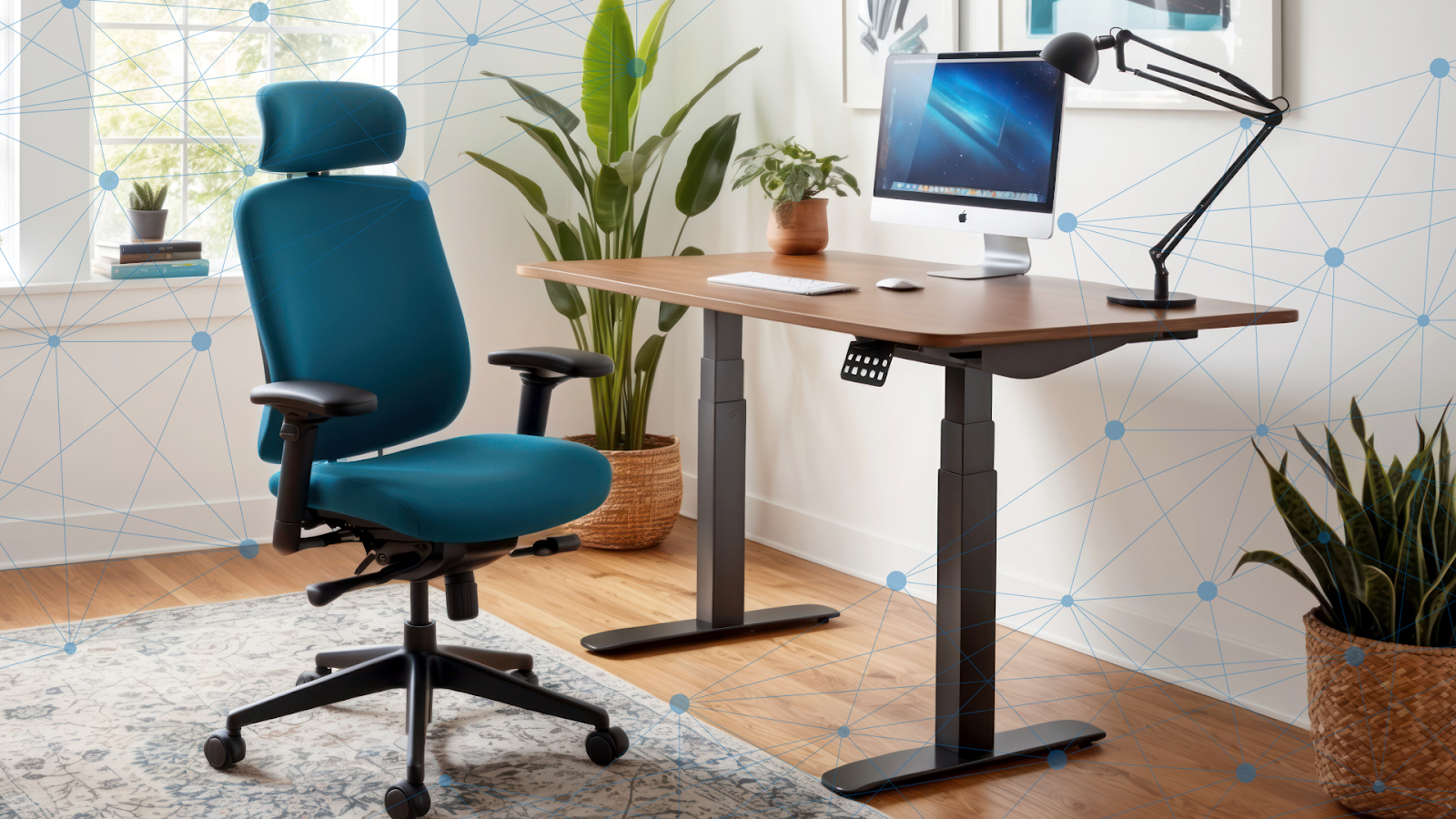
Hybrid Work Trends and Why Ergonomics Matters More Than Ever Today

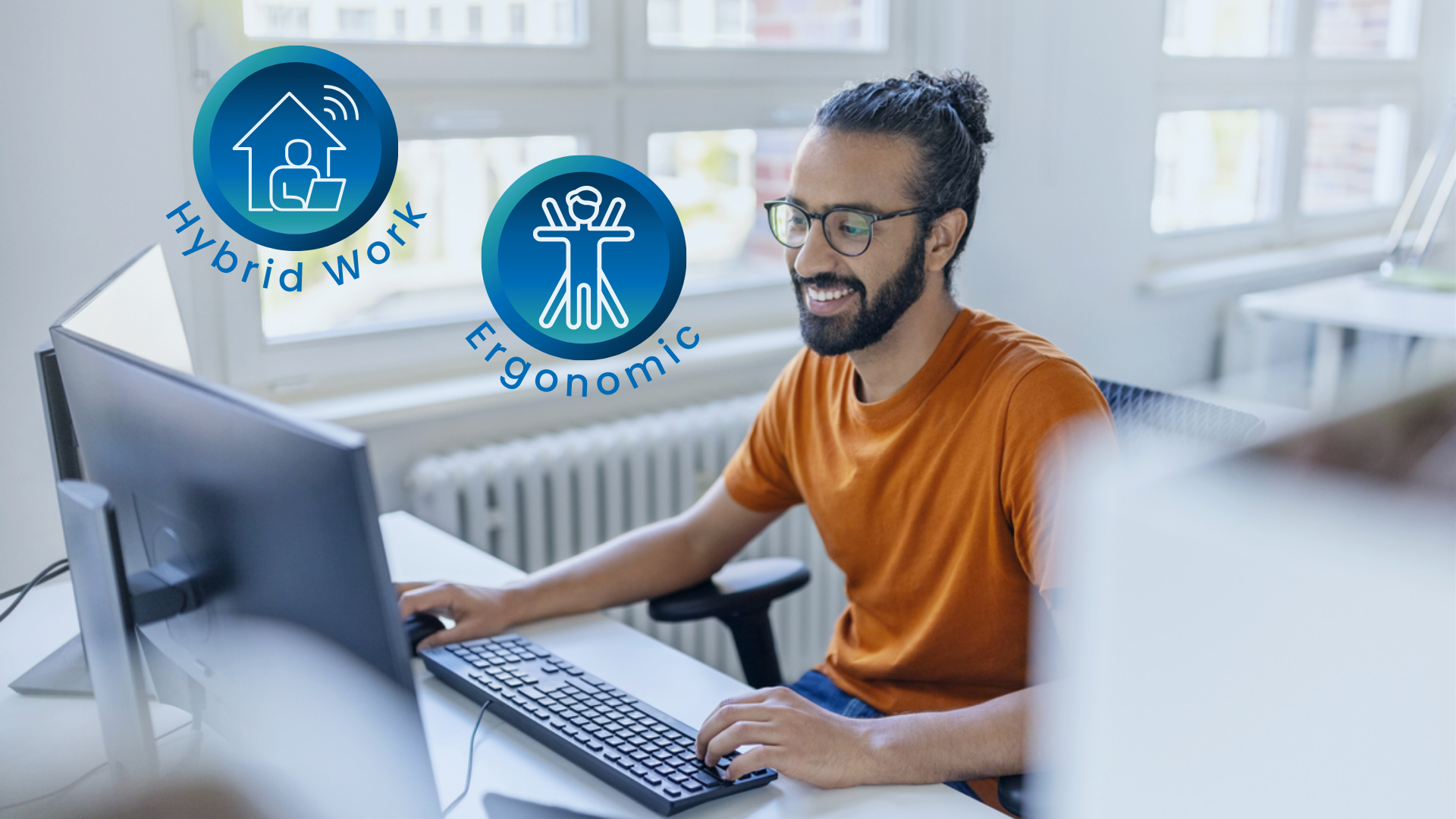
PT Murni, Jakarta – In today’s hybrid work trend, ergonomic solutions are no longer optional but a workplace necessity—including Indonesia’s growing digital workforce.
Hybrid work is now widely adopted in Indonesia, particularly by Gen Z who value flexibility and digital-native lifestyle, allowing them to work from the office, home, or anywhere. Currently, hybrid work is no longer a post-pandemic experiment, it is now an expected standard for many companies.
What’s Driving the Hybrid Work Trend?
Several factors are accelerating the adoption of hybrid work in Indonesia.
- Better Work-Life Balance
Employees have more control over how and where they work, which is especially valuable given long commuting hours in major cities. - Reduced Commuting Time
Less travel means more time for rest, exercise, and personal life priorities, supporting overall well-being. - Attractive for Younger Professionals
Hybrid roles offer the flexibility many younger workers seek, helping companies attract and retain talent in Indonesia’s competitive job market.

Hybrid Workers and Emerging Health Risks
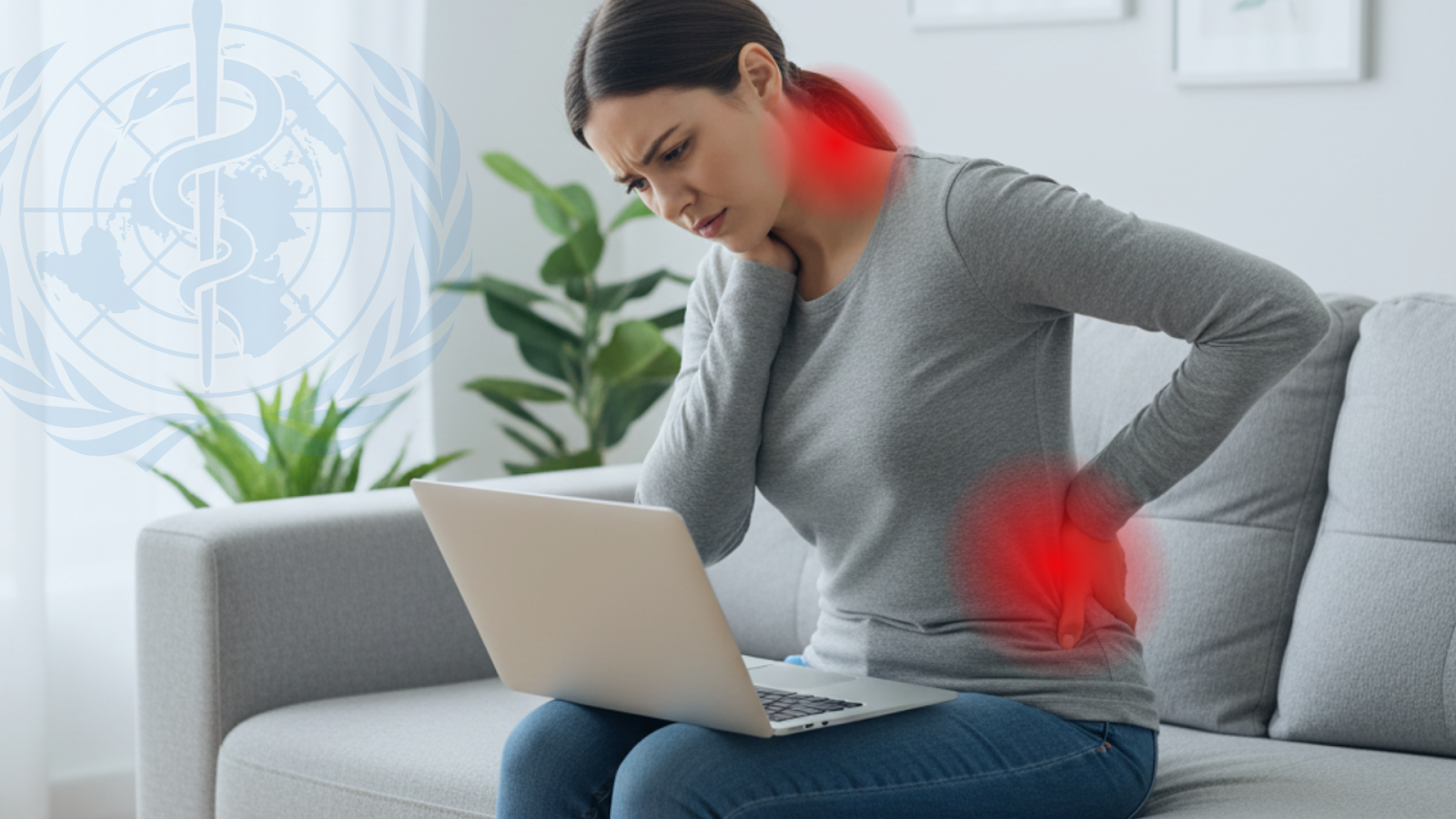
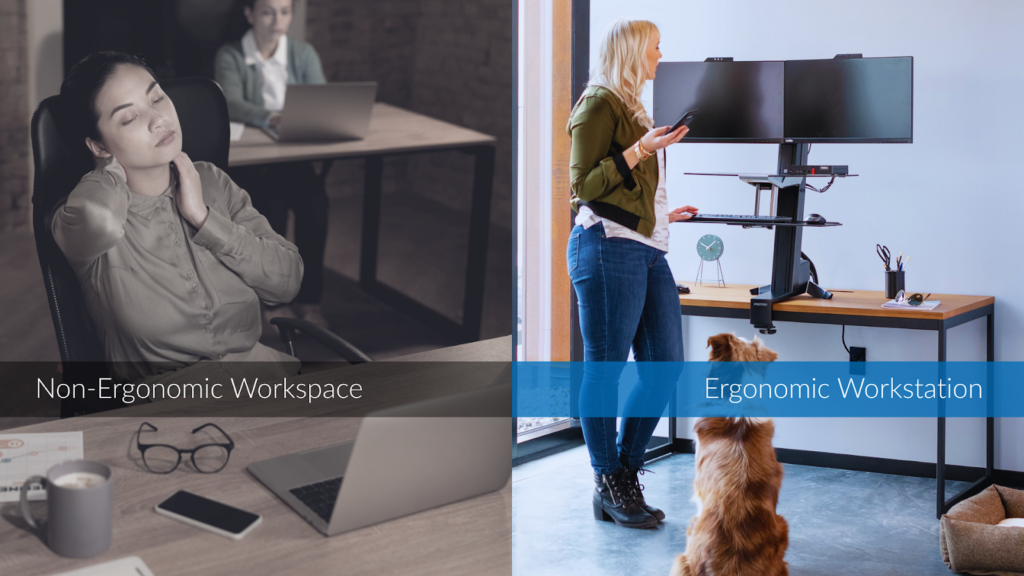
Despite its benefits, hybrid work also introduces new ergonomic challenges. Many hybrid workers still rely on non-ergonomic home workspaces, such as dining tables, sofas, or improvised desks.
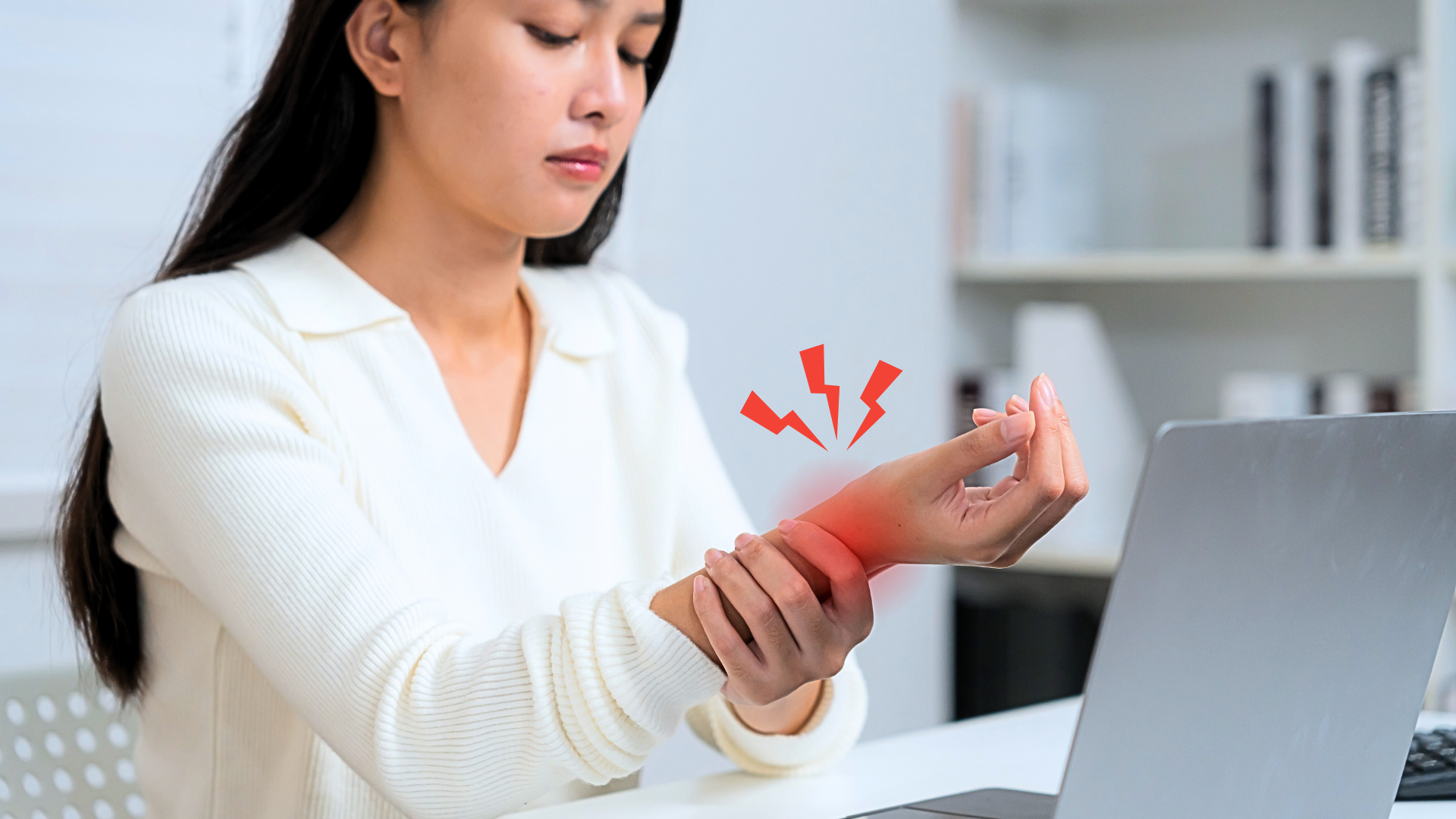
Over time, these setups can cause back pain, neck strain, shoulder discomfort, wrist issues, and more musculoskeletal disorders (MSDs).
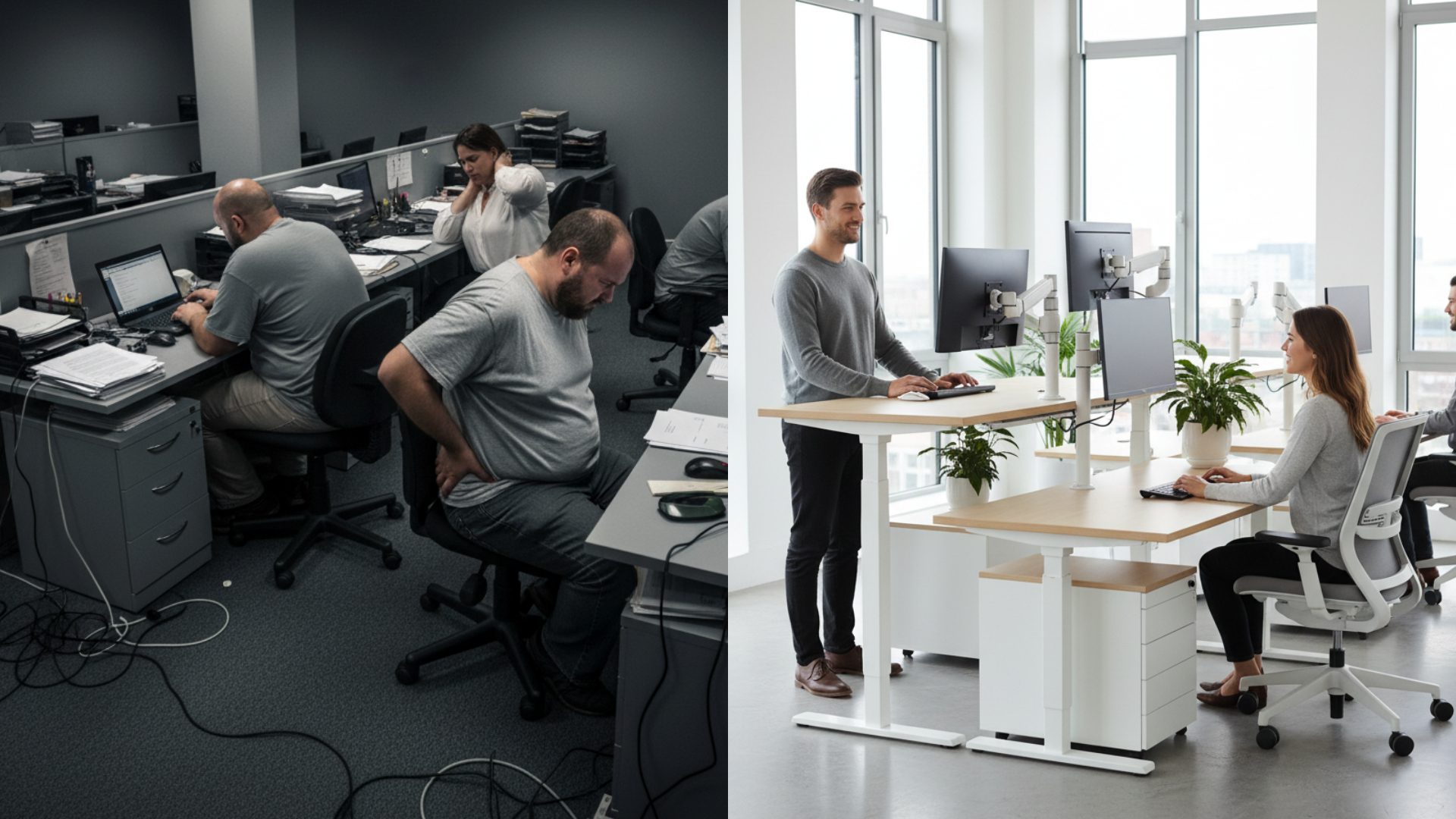
Switching between ergonomic offices and home workspaces without proper ergonomics creates inconsistency, causing physical strain to build up and affect productivity and long-term health.
How Ergonomics Supports Hybrid Workers
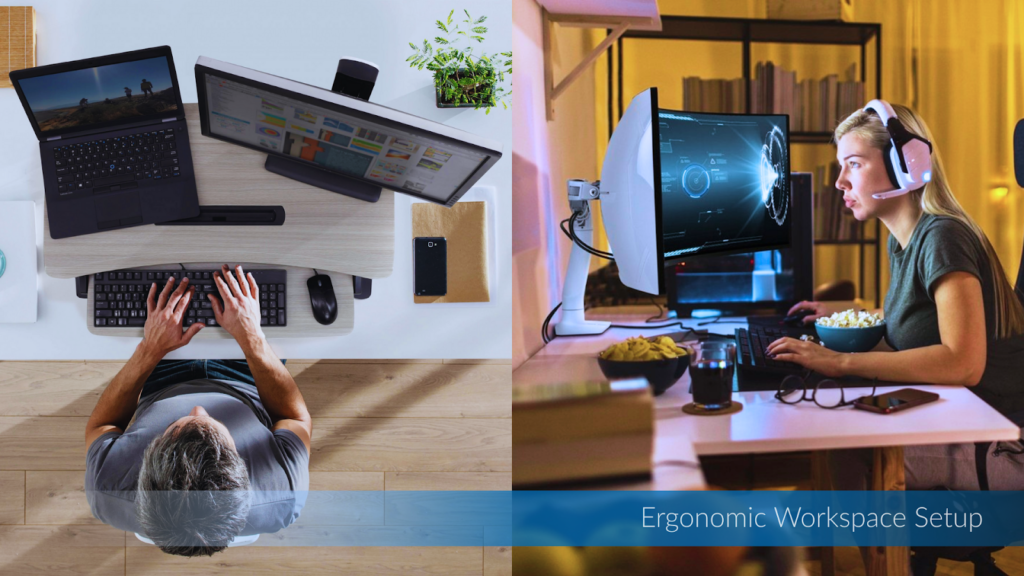
Ergonomics focuses on designing workspaces that adapt to the human body to reduce physical strain while improving comfort and efficiency—even simple ergonomic improvements can make a significant difference.
- Keep the monitor at eye level
This helps maintain a neutral neck position and reduces strain on your neck and shoulders. Check out more tips here! - Use ergonomic chair with proper support
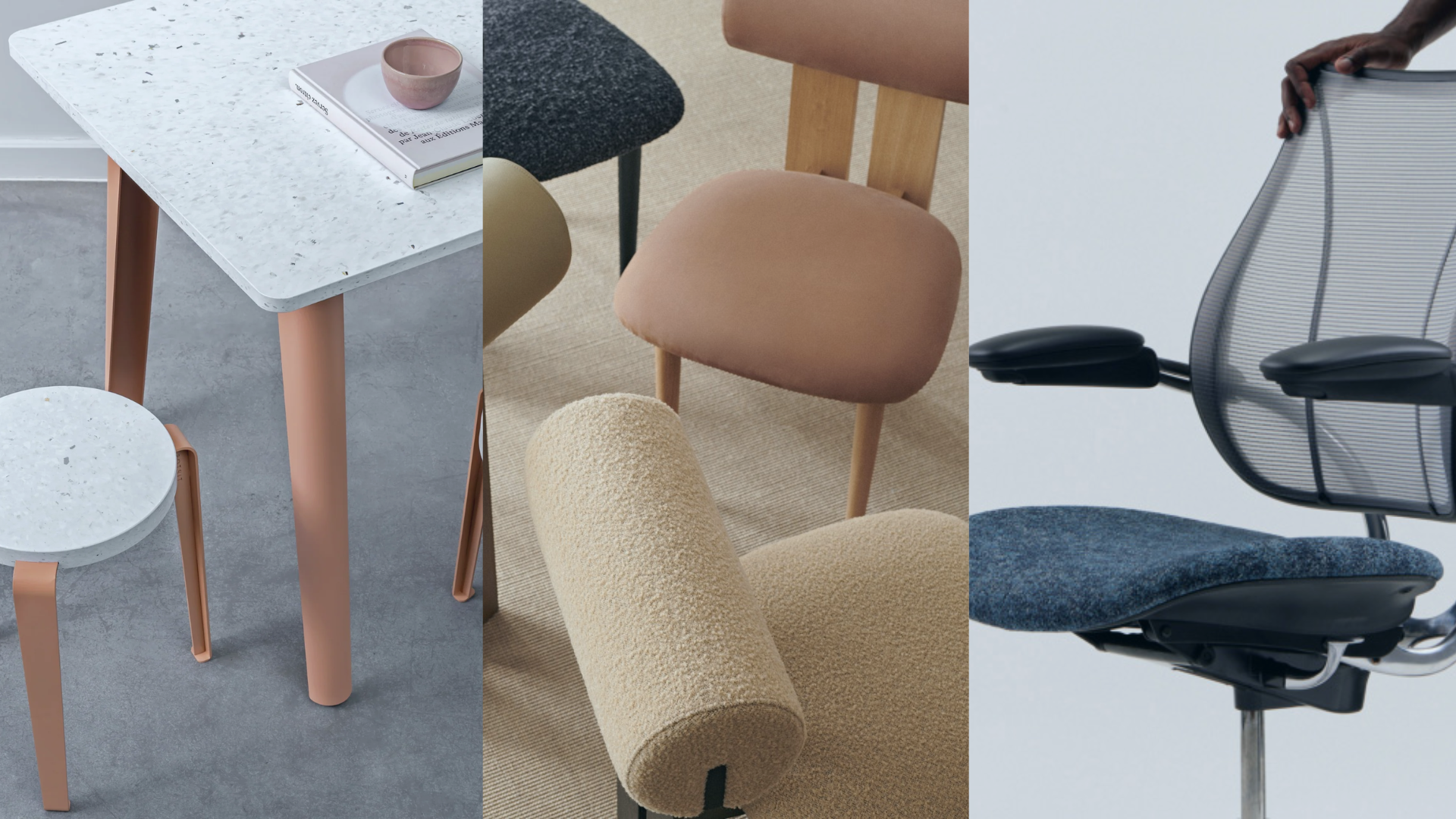
Choose a chair with height adjustment and good back support to maintain healthy posture while sitting. - Take regular breaks to move and stretch
Stand up, walk, or stretch every 30 minutes to reduce muscle tension and improve circulation. - Create comfortable workspace at home
Set up a proper adjustable workstation and consider adding footrests or portable ergonomic accessories for extra comfort.
The Future of Hybrid Work & Well-Being
As hybrid work continues to shape the future of work in Indonesia, ergonomics will play a critical role in ensuring sustainable productivity.
Investing in ergonomic solutions—both at home and in the office—helps reduce injury risks, enhance comfort, improve focus, and support long-term employee well-being. With the right ergonomic support, hybrid work can truly deliver flexibility, productivity, and health.
Explore professional ergonomic solutions from Ergotron, a leading global provider. As the official distributor in Indonesia, PT Murni Solusindo Nusantara provides product consultation and end-to-end support to help you build a healthier, more efficient hybrid workspace.
Start by exploring our products on Tokopedia!
REFERENCES
ergonomic.co.id
yarooms.com
forbes.com
fmsystems.com
britsafe.org
kalanganjambi.pikiran-rakyat.com