


Discover Comfort through Eco-Friendly Materials in Ergonomic Furniture

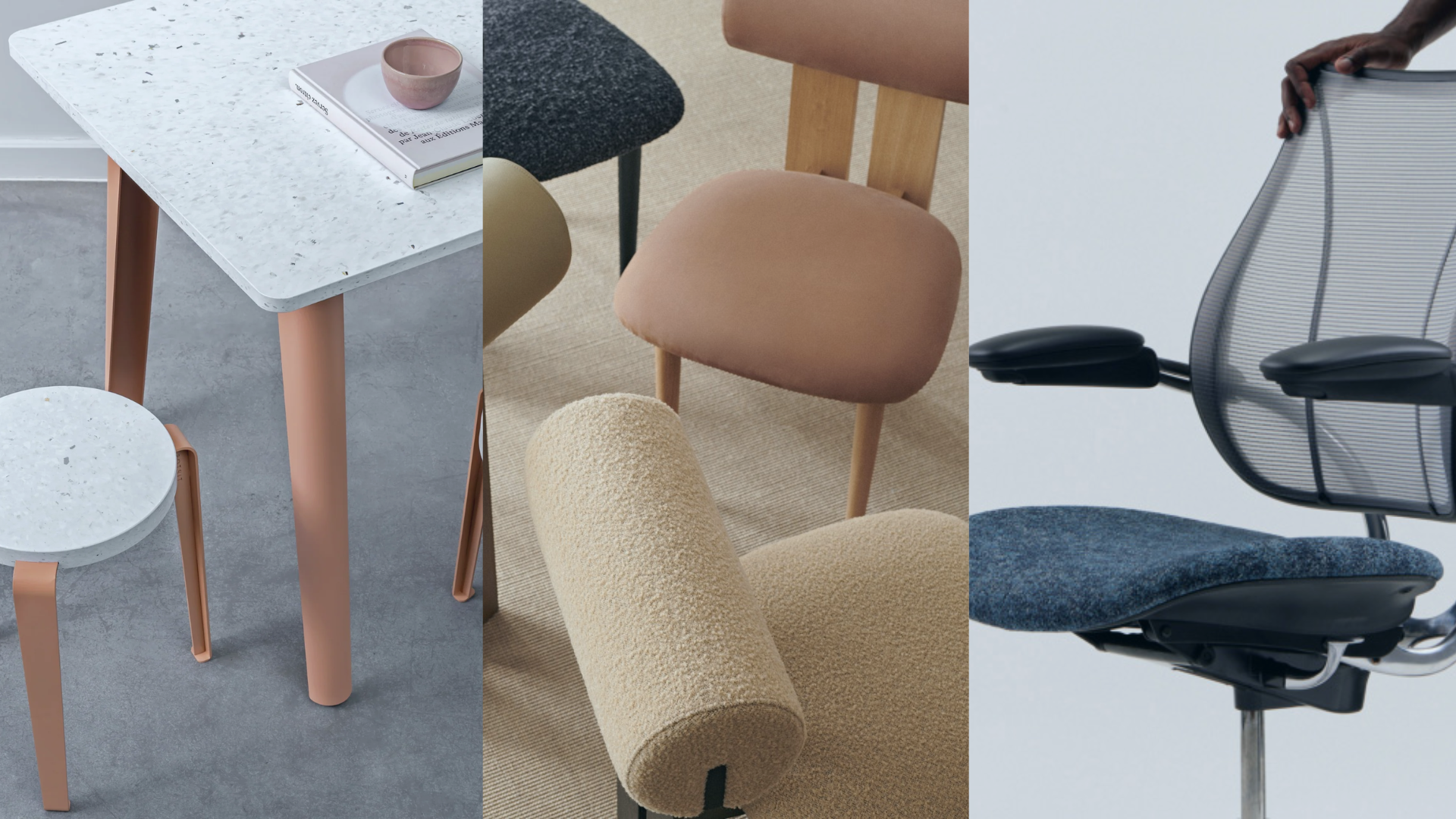
PT Murni, Jakarta – Eco-friendly ergonomic furniture is redefining the way we experience comfort—not only by supporting better posture, but also by protecting our planet. Modern sustainable materials help us work better, feel more comfortable, and live with greater environmental awareness.
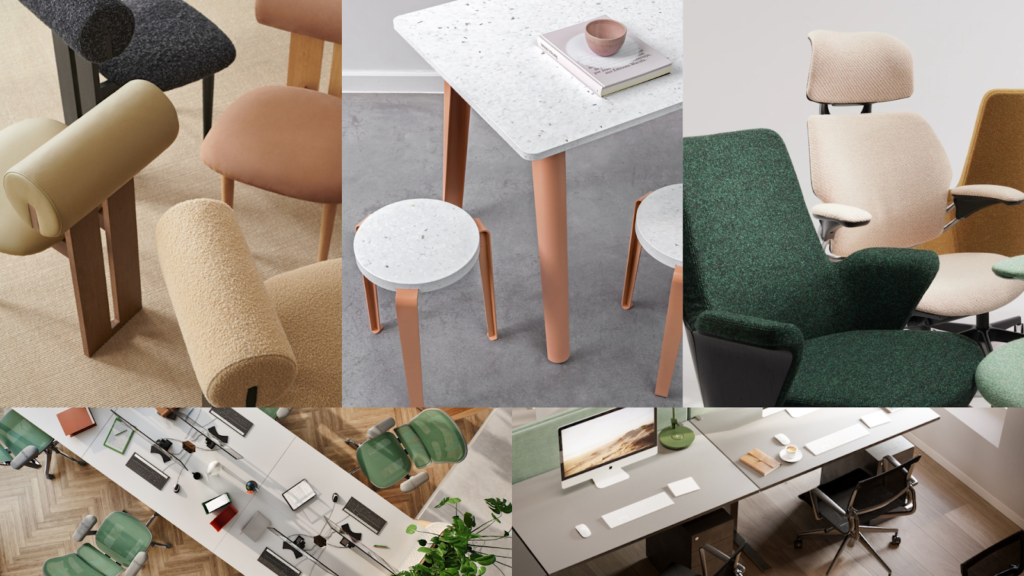
The Comfort of Sustainability
True comfort isn’t just physical, it’s also peace of mind. Choosing furniture made from eco-friendly materials helps reduce harmful chemicals, minimize environmental impact, and improve air quality.
Beyond creating a comfortable workspace, your choice also contributes to a more sustainable future.
Research shows that renewable materials like recycled metals and toxin-free finishes can significantly reduce a product’s environmental footprint without sacrificing durability or quality. The result is furniture that aligns with your values and well-being.
Eco-Friendly Materials in Ergonomic Furniture
Here are several sustainable, low-impact materials that perfectly complement ergonomic design to create smarter, greener furniture:
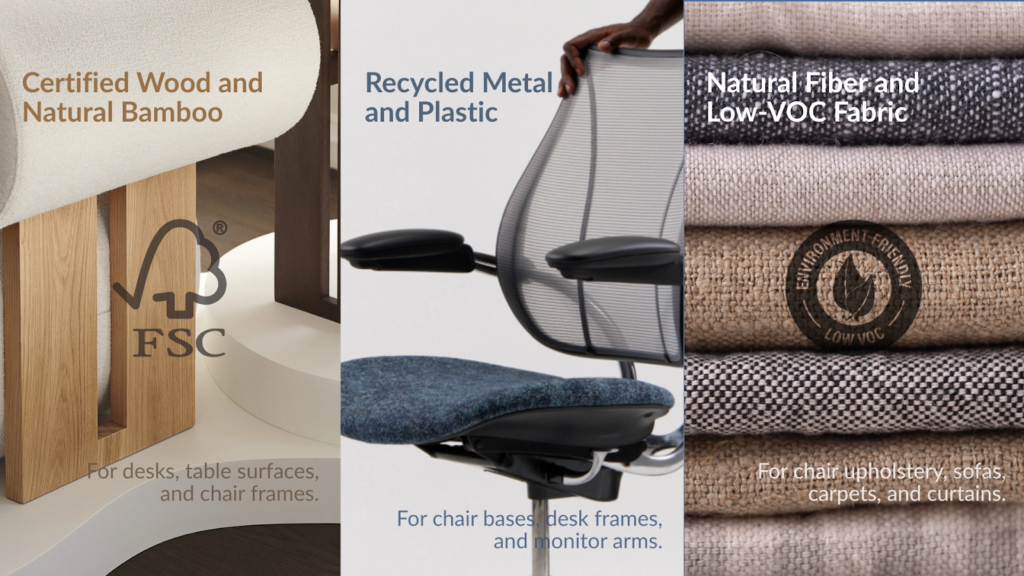
- Certified Wood and Bamboo
FSC-certified wood and natural bamboo bring strength, warmth, and a clean look to any workspace. Both require fewer synthetic coatings, making them durable and environmentally safe.
The Forest Stewardship Council (FSC) certification ensures that these renewable materials come from responsibly managed forests, not from illegal or destructive logging. - Recycled Metal and Plastic
Recycled aluminum, steel, and plastic help reduce mining waste while keeping furniture lightweight, strong, and long-lasting. These materials are ideal for desk frames, monitor arms, and chair bases. - Natural Fibers and Low-VOC Fabrics
Organic cotton, hemp, and wool provide soft, breathable comfort for upholstery, curtains, and carpets—without harmful synthetic coatings.
When combined with low-VOC (Volatile Organic Compounds) finishes, these materials help lower chemical emissions, keeping indoor air cleaner and healthier.
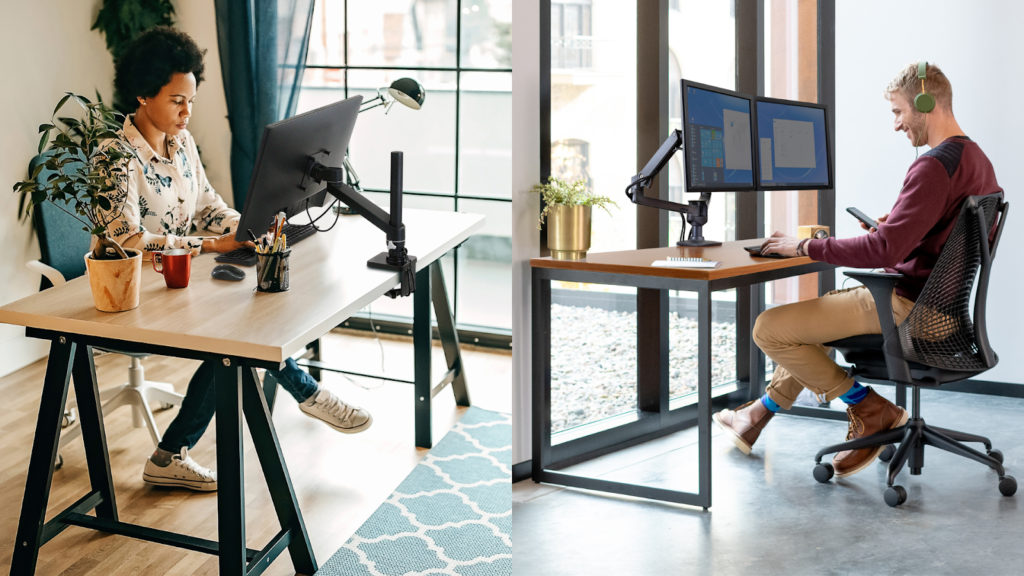
- Modular and Repairable Design
Furniture designed for easy repair or part replacement produces less waste and has a longer lifespan. This approach supports circular design principles that protect the environment and encourage long-term sustainability.
- Minimalist and Lightweight Structures
Simple, lightweight designs use fewer materials, reducing environmental impact. According to Life-Cycle Assessment (LCA) studies, using low-emission and lightweight materials can significantly cut a product’s carbon footprint—while maintaining comfort and stability.
Benefits for People and the Environment
Eco-friendly ergonomic furniture offers value beyond aesthetics—it enhances your health and supports the planet’s future.

- Physical Comfort:
Ergonomic designs reduce strain and improve posture, while natural materials enhance comfort and breathability. - Healthier Air Quality:
Low-toxin materials help maintain cleaner indoor air and a calmer atmosphere, improving focus and well-being. - Sustainability:
Renewable and recycled materials support ESG goals and reduce carbon emissions. Since most environmental impact occurs during pre-production, choosing low-impact materials truly matters. - Emotional Satisfaction:
There’s a sense of comfort in knowing your furniture choices are good for both you and the Earth.
Eco-friendly ergonomic furniture lets you sit, breathe, and work better—with zero guilt. Because when design respects both human and environmental well-being, everyone wins.


